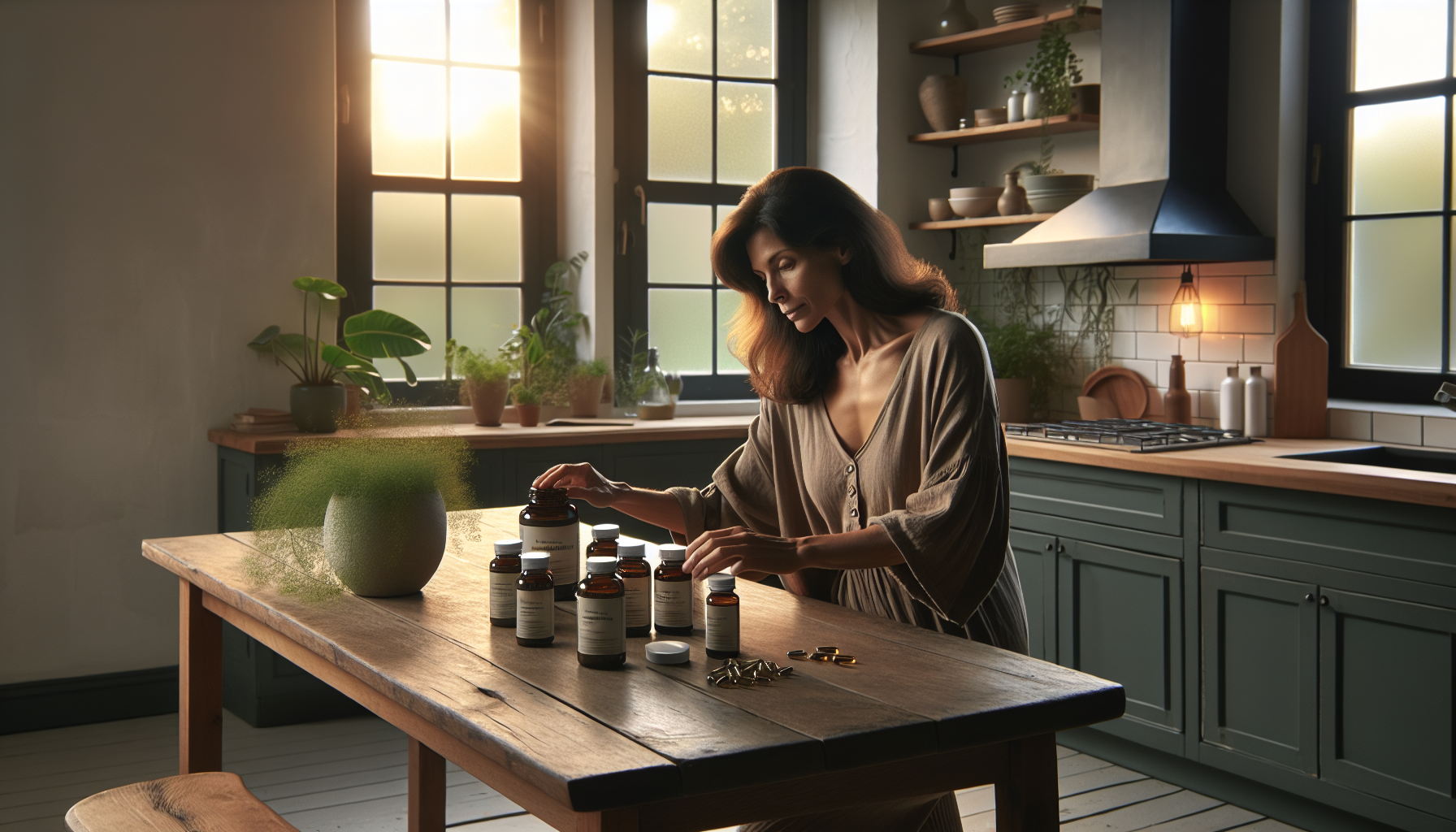
Introduction: The Growing Allure—And Anxiety—of Anti-Aging Supplements
The search for longevity is as old as humanity itself, and in 2025, it’s more relevant—and confusing—than ever. “What are the safest anti-aging supplements in 2025?” is a question echoing through both clinical research labs and kitchen cupboards across the planet. Modern science, ambitious biotech startups, and a global community of citizen biohackers promise capsules and powders that could slow, or even partially reverse, the ravages of time. But the stakes are high. For every promising breakthrough, there are countless products with thin evidence or hidden risks lurking behind shiny labels.
As we stride deeper into this decade of exponential technological change, knowing which substances are genuinely safe—and which are just hype—has become both a personal and societal imperative. In this definitive, expert-level guide, we’ll break down the core concepts, highlight the most promising supplements, and share practical insights for integrating longevity science into your life—without falling prey to misinformation or costly missteps.
Core Concepts: Understanding the Foundations of Safe Anti-Aging Supplementation
Before diving into specifics, it’s vital to grasp the foundational principles behind anti-aging supplementation. By 2025, the term “anti-aging” no longer simply means “staying wrinkle-free.” Instead, it has evolved to encompass the science of slowing, delaying, or modulating the biological processes that lead to age-associated diseases and decline.
Central to this transformation is the discipline of geroscience—the study of how biological aging drives disease risk. Safe anti-aging supplements are those which exert measurable, beneficial impacts on fundamental mechanisms of aging, such as cellular senescence, mitochondrial dysfunction, DNA damage, inflammation, and epigenetic changes, without causing significant harm or unwanted side effects.
Safety, of course, is contextual. A supplement’s “safety profile” is shaped by dosage, duration, the robustness of evidence, user-specific health factors, and its regulatory status. In 2025, consumers and clinicians are increasingly guided by a “risk-benefit ratio”—a framework weighing the likelihood of benefit against the probability and severity of adverse effects.
Integrating the safest anti-aging supplements into a daily regimen demands discernment. It’s not just about what you take, but how you take it, and—most importantly—why you take it at all. Let’s explore the top strategies for choosing wisely in a marketplace bursting with claims and contradictions.
The 9 Essential Strategies for Choosing the Safest Anti-Aging Supplements in 2025
1. Start with Clinically Validated Ingredients—Not Hype
The supplement industry thrives on novelty. New “breakthroughs” are announced weekly, but not all are equal by scientific standards. The safest anti-aging supplements in 2025 are those that have undergone extensive clinical testing—not just in animals or cell cultures, but also in well-designed human studies published in peer-reviewed journals.
Take nicotinamide riboside (NR) and nicotinamide mononucleotide (NMN). Both compounds target NAD+ metabolism—a crucial process linked to energy production and cellular repair. By early 2025, multiple robust studies have shown these molecules safely boost NAD+ levels in humans and may improve certain markers of metabolic and brain health. However, some widely-hyped molecules, such as certain “novel peptides,” remain unproven outside small lab studies.
Bottom line: Read beyond marketing claims. Seek ingredients supported by human trials, clear dosing protocols, and long-term safety data. Leverage trusted resources such as Examine.com or PubMed to verify claims.
2. Look for Transparent, Third-Party Testing and Certification
Supplement safety is not just about what you take, but also about how it’s made. Unlike prescription medications, over-the-counter supplements are often under-regulated regarding purity, potency, and contamination.
In 2025, the best anti-aging supplement brands proactively submit their products to third-party testing, displaying results for heavy metals, microbial contamination, and ingredient accuracy. Certifications such as NSF Certified for Sport, USP Verified, or ConsumerLab Approved offer independent proof of a product’s integrity.
Never hesitate to ask for a certificate of analysis. If a company isn’t transparent about its testing, consider that a red flag. Genuine safety comes from what’s inside the capsule and the rigor with which it is produced.
3. Prioritize Well-Studied Antioxidants and Cellular Protectors
Oxidative stress—essentially, cellular “rust”—is a core driver of aging. Targeting this process is a time-tested approach, but not all antioxidants are created equal. Some, like vitamin E or beta-carotene at high doses, may actually do more harm than good in certain populations.
The safest anti-aging antioxidants in 2025 include astaxanthin, a naturally occurring carotenoid with powerful free radical scavenging properties and an excellent safety record, and pure resveratrol, noted for its effects on inflammatory pathways and sirtuin activation. Both have been validated in multiple human studies for safety and metabolic benefits.
Other emerging favorites—such as ergothioneine and pterostilbene—are backed by growing bodies of supportive data. Crucially, it’s now clear the benefits of these molecules are most pronounced at moderate doses. Remember: more isn’t always better.
4. Harness Mitochondrial Support for Enduring Vitality
Mitochondria, the powerhouses of our cells, are intimately linked to aging. When they falter, tissues suffer from energy deficits, contributing to fatigue, cognitive decline, and chronic disease. Supporting mitochondrial health is now a cornerstone of longevity science.
Coenzyme Q10 (CoQ10) and its innovative derivative ubiquinol continue to stand out as safe, effective options—particularly for older adults and those taking statins. New research in 2025 also highlights molecules like Alpha-lipoic acid (ALA) and L-carnitine as valuable allies for mitochondrial function, provided dosing remains within established safety guidelines.
Importantly, the best mitochondrial support supplements now come in bioactive forms, with enhanced absorption and purity—minimizing GI side effects or contaminants. Orthogonal strategies like intermittent fasting and moderate exercise can amplify these cellular effects.
5. Embrace Precision with Senolytics—But Tread Carefully
One of the hottest developments in anti-aging medicine is the rise of “senolytics”—compounds designed to clear out senescent cells, the zombie-like cells that accumulate with age and fuel chronic disease.
Fisetin and quercetin—two plant polyphenols—have garnered attention for their selective effects on senescent cell pathways, with encouraging safety data at moderate, intermittent dosing. Unlike pharmaceuticals still in clinical trials, these compounds have decades of use as supplements, and their tolerability is well-characterized.
That said, senolytics are not for everyone. The safest approach in 2025 is intermittent dosing (e.g., two days per month), under the supervision of a knowledgeable provider. Avoid stacking multiple senolytics without evidence—more is not better, and reckless use may harm healthy tissue.
6. Respect the Microbiome: Probiotics and Prebiotic Fiber
We now know the gut microbiota—a vast ecosystem of microbes living within us—shapes everything from immune function and metabolism to mood and inflammation. Age-related changes to the microbiome have been linked with frailty and cognitive decline.
The safest microbiome-focused anti-aging supplements in 2025 are multi-strain, clinically validated probiotics and soluble prebiotic fibers like inulin or resistant starch. Look for products with well-studied strains such as Lactobacillus rhamnosus GG or Bifidobacterium longum—each with a clear record of human safety.
Importantly, not all gut health products are equal; steer clear of “wild” or uncharacterized bacterial cocktails. The key is targeted diversity and proven human benefit, not sheer microbial variety.
7. Adopt Adaptogens and Hormesis—Backed by Evidence
“Adaptogens” are natural compounds that help the body adapt to stress, promoting resilience and stable energy. While marketing often overshadows rigorous science, several adaptogens have withstood the test of time—demonstrating a balance of efficacy and safety relevant to healthy aging.
Ashwagandha (Withania somnifera) and Rhodiola rosea are two such botanicals, noted for their long-term safety in the context of mood, energy, and inflammation. Human trials in 2025 further confirm their role in modulating cortisol and supporting cognitive function in older adults.
The principle of hormesis—beneficial adaptive stress—is also coming to the forefront. Polyphenols like curcumin (from turmeric) activate stress response pathways linked to longevity, but like all supplements, require moderate dosing for safety.
8. Personalize with Precision: Genetics and Health Status Matter
A supplement that’s safe for one person may not be ideal for another. In 2025, the concept of personalization—guided by genetics, lifestyle, and existing health conditions—is paramount.
Commercial services now allow for pharmacogenomic screening, revealing how your unique biology impacts supplement metabolism and effectiveness. For example, some people metabolize caffeine or vitamin D very differently, influencing dose and risk profiles.
The safest anti-aging supplementation strategies actively involve your healthcare provider, tap into your health history, and use real data (like blood tests or wearable metrics) to adjust your regimen over time.
9. Integrate With Lifestyle—Supplements Aren’t a Silver Bullet
Even the best anti-aging supplements in 2025 are only as effective as the lifestyle that surrounds them. Longevity science converges around foundational behaviors: regular movement, a nutrient-dense diet, restorative sleep, and meaningful community.
Supplements can support, but never replace, these pillars. Used wisely, they amplify the benefits of healthy habits. Used haphazardly, they create expensive urine at best—and unintended harm at worst.
Ultimately, the safest, most effective anti-aging approach is integrative, drawing on both targeted supplements and the enduring wisdom of holistic self-care.
Practical Applications: Real-World Examples of Safe Anti-Aging Supplementation
Let’s bring these strategies to life. How are real people—patients, researchers, and seasoned biohackers—navigating the complex world of longevity supplements in 2025?
Case Study 1: Marie, Age 64, Engineer
Marie wants to maintain brain health, energy, and joint flexibility for travel and family adventures. Her annual bloodwork and genetic profile are clean, with the exception of slightly low NAD+ levels and a family history of dementia.
She partners with a longevity clinic to craft a safe stack: daily NMN (250 mg), optimized ubiquinol (100 mg), astaxanthin (6 mg), a multi-strain probiotic, and curcumin (500 mg). She avoids megadoses and insists on third-party tested brands. Annual checkups ensure no adverse effects or unintended interactions.
Case Study 2: Martin, Age 71, Retired Physician
After statin-related muscle pain, Martin explores CoQ10 and L-carnitine, documenting notable improvements in fatigue and cholesterol ratios. Genetic testing reveals heightened risk for blood clotting, so he carefully avoids high-dose vitamin K supplements.
Community Insights: On online forums and in-person communities from San Francisco to Singapore, an ethic of transparency and measured experimentation is emerging. In 2025, longevity-focused individuals often share supplement logs, adjust regimens based on published research, and conduct periodic functional testing (like inflammation panels or HRV monitoring).
The new global norm: Regularly review and refine your supplement protocol, guided by evidence, expert counsel, and the lived experiences of a diverse, data-driven tribe.
Common Mistakes to Avoid When Selecting Anti-Aging Supplements in 2025
For every evidence-based biohacker, there are many who fall into well-worn traps. Here are the top pitfalls to avoid:
1. Chasing Hype Without Evidence
It’s tempting to believe bold promises—especially when a “miracle” supplement trends on social media. Yet many high-priced blends have zero clinical backing or have never been tested in humans.
Always check for published trials, real-world safety data, and unimpeachable sources.
2. Ignoring Possible Interactions
Supplements may be “natural,” but that doesn’t ensure safety when combined—or when taken with prescription medications. Blood thinning, altered liver metabolism, or hormonal disruption can result from seemingly benign over-the-counter choices.
Make your healthcare provider part of your supplement journey. Disclose your full stack, dosages, and health goals.
3. Overdosing or Stacking Excessively
In the world of anti-aging, more is never always better. Megadoses can strain your liver, kidneys, or disrupt natural feedback loops.
Follow label guidance and published clinical protocols. When in doubt, err on the side of moderation.
4. Neglecting Lifestyle and Core Health Behaviors
Supplements are not a license to ignore diet, exercise, sleep, or stress management. No capsule can undo chronic sleep deprivation or sedentary living.
Build your protocol on solid foundational habits, then support intelligently.
5. Buying From Unverified or Overseas Sources
Some of the worst safety scandals—heavy metal contamination, adulteration, or outright substitution—stem from buying on the “gray market.”
Choose brands with transparent sourcing, clean manufacturing, and rigorous third-party testing.
Frequently Asked Questions (FAQ): Anti-Aging Supplements in 2025
1. Are anti-aging supplements safe for everyone?
No supplement is universally safe or effective. Factors like age, health status, existing medication use, and genetics all impact safety and efficacy. While many anti-aging supplements have solid safety records in general use, always consult a healthcare professional—especially if you have chronic conditions or take prescription drugs.
2. How long before I see noticeable effects from anti-aging supplements?
Many supplements work subtly and gradually, supporting healthspan over years rather than producing dramatic short-term results. Some (like probiotics or ashwagandha) may yield subtle benefits in weeks, but foundational substances like NMN or resveratrol are preventive, not quick fixes. Track your health metrics and remain patient.
3. Can I take multiple anti-aging supplements at once?
“Stacking” multiple supplements is common among longevity enthusiasts. The key is to avoid redundancy or interactions, start with one variable at a time, and use evidence-based doses. Avoid excessive overlap (e.g., multiple antioxidants at megadoses) and always inform your medical provider about your full protocol.
4. What’s the best source for trustworthy supplement information in 2025?
Trusted, science-driven resources remain invaluable. In addition to discussing with qualified health professionals, consult sites like Examine.com, PubMed, or the National Institutes of Health Office of Dietary Supplements. Skeptical inquiry and evidence-based thinking are your best defenses against misinformation.
5. Will supplements ever truly slow or reverse aging?
While no capsule can “cure” aging, modern anti-aging supplements can measurably improve markers linked to age-related disease and, in some cases, extend healthy lifespan (healthspan). True life extension—adding decades—remains experimental, but compounds like NMN, astaxanthin, CoQ10, and senolytics are pushing the frontier. In 2025, the smart approach is cautious optimism, guided by evolving science.
Conclusion: Navigating the Future of Safe Anti-Aging Supplementation
As we navigate the third decade of the 21st century, aging is no longer seen as an immutable fate. The promise of safe, effective anti-aging supplementation is both thrilling and, to many, daunting. Yet the right blend of evidence, transparency, and personalization can turn the “anti-aging” quest from a risky gamble into a thoughtful, empowering practice.
The question, “What are the safest anti-aging supplements in 2025?” is still evolving, shaped by new discoveries and real-world experience. What’s certain is that longevity—like any great human upgrade—thrives where science, skepticism, and self-care intersect. Nourish your curiosity, partner with your healthcare team, and choose your tools wisely. The future truly belongs to those prepared to age boldly, wisely, and well.
1 thought on “What Are the Safest Anti-Aging Supplements in 2025? The Definitive Guide to Evidence-Based Good For Longevity”