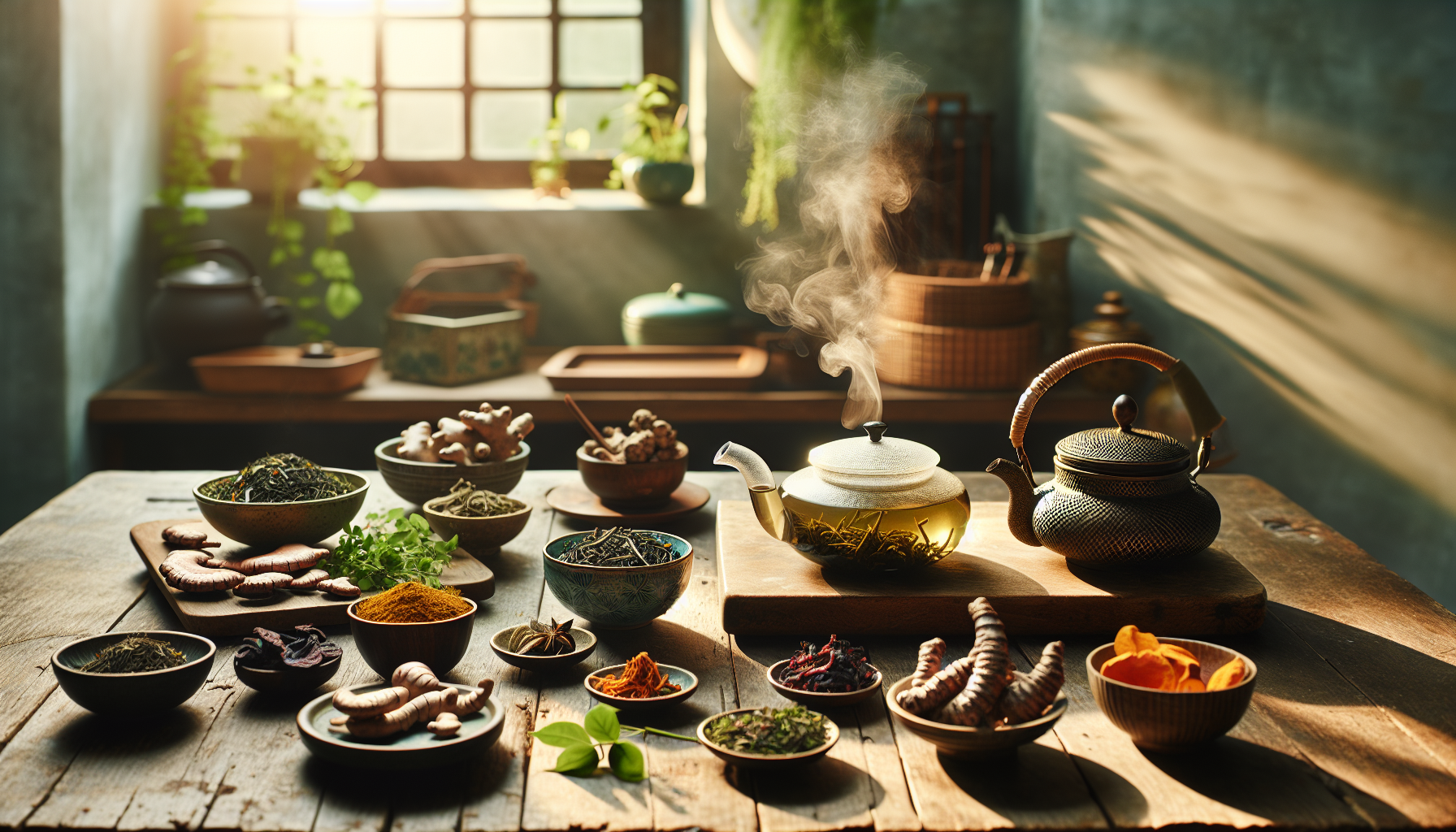
Introduction: The New (Old) Secret to Longevity
Somewhere between Silicon Valley’s latest anti-aging technology and your grandmother’s kitchen lies a timeless truth: the best herbs and teas for longevity boosts have been quietly transforming human health for millennia. From the winding terraces of a mountain oolong garden in Taiwan to the wild, brambly forests where reishi mushrooms grow in China, nature offers a pharmacy of longevity—if you know what to look for.
In a world obsessed with shortcuts and silver bullets, the idea that simple plants—steeped, sipped, or sprinkled over dinner—can extend both the quality and quantity of our years is both radical and exquisitely ancient. Scientific research is illuminating how these age-old remedies actually influence our biology at the deepest level: modulating inflammation, fighting oxidative stress, balancing hormones, and even influencing gene expression.
In this in-depth guide, we’ll journey through the fascinating world of the best herbs and teas for longevity boosts. We’ll interrogate the old wisdom, examine the modern evidence, and help you apply it intelligently to your own life. You don’t need to be a biohacker to start making small, delicious changes—just a little curiosity (and maybe a teapot).
Core Concepts: A Closer Look at Herbs, Teas, and Longevity
To truly appreciate the impact of herbs and teas on living longer, it’s important to understand some foundational concepts.
Longevity is about more than just adding years to your life; it’s about enhancing healthspan—the number of years we live free of chronic disease and full of vitality. With modern medicine extending our lifespans, the challenge now is ensuring those extra years are meaningful, robust, and enjoyable.
Herbs and teas have served as the backbone of preventive health in many global traditions, including Traditional Chinese Medicine (TCM), Ayurveda, and even Western herbalism. These plants are rich in bioactive compounds: polyphenols, flavonoids, adaptogens, and antioxidants, each a molecular tool for cellular repair, hormonal balance, and immune support.
The mechanism by which these herbs and teas boost longevity is deeply complex, but the evidence is growing. From DNA protection and the quieting of chronic inflammation, to subtle shifts in our microbiome, the power of a humble teacup is far greater than we might imagine.
The best herbs and teas for longevity boosts aren’t just folk remedies: they’re bridging ancient wisdom and the sharp edge of modern science. This article will guide you through the essential strategies to integrate them into modern living.
Top 10 Herbs and Teas for Longevity Boosts (And the Science Behind Them)
1. Green Tea: The Antioxidant Powerhouse
It’s almost a cliché, but only because the science is astoundingly consistent. Green tea, especially high-quality loose leaf varieties, is loaded with polyphenols—most famously epigallocatechin gallate (EGCG). These compounds neutralize free radicals, reduce oxidative stress on cells, and are strongly linked in epidemiological studies to lower risks of cardiovascular disease, certain cancers, and neurodegeneration.
Cultures with a history of routine green tea consumption, such as Japan, consistently display some of the world’s greatest life expectancies. The “Okinawa diet” and its associated rituals of tea drinking are particularly fascinating. Studies have even found that daily green tea intake may reduce mortality from all causes.
Want more? Green tea can gently boost metabolism, improve insulin sensitivity, and promote calm focus—an ideal beverage for both mind and body longevity.
2. Turmeric: The Golden Root of Vitality
Turmeric’s vivid yellow-orange hue signals its potency. At the root of turmeric’s power is curcumin, a compound with amazement-inducing anti-inflammatory and antioxidant properties. Chronic, low-level inflammation is considered a fundamental driver of aging (“inflammaging”), linked to everything from Alzheimer’s to arthritis.
Clinical trials have shown that curcumin supplementation can reduce markers of inflammation, and population studies hint at its protective effects against neurodegeneration and heart disease. In traditional medicine, turmeric is consumed as tea (“golden milk”), added to stews, or combined with black pepper (which magnifies absorption by up to 2,000% thanks to the piperine).
Incorporating turmeric into your routine is easy—and your cells will thank you.
3. Reishi Mushroom: The Immortality Fungus
If ever a plant earned its mythic status as a ‘mushroom of immortality’, it’s reishi (Ganoderma lucidum). Prized in TCM for enhancing longevity (the Chinese name translates as “spirit plant” or “mushroom of immortality”), modern research supports its adaptogenic qualities.
Reishi is a complex cocktail of triterpenes, polysaccharides, and peptidoglycans, which modulate the immune system, calm overactive inflammation, and may slow cellular aging. Early animal studies even show potential for telomere preservation—the cellular aging clock.
Reishi is typically brewed as a bitter, earthy tea or extracted in capsules. It’s best consumed with respect (and attention to quality sourcing) due to its medicinal strength.
4. Astragalus: Telomere Guardian and Energy Tonic
Astragalus membranaceus is a perennial herb used in TCM traditions to strengthen “chi” (vital energy) and reinforce the body’s defenses. Modern researchers have zeroed in on its ability to support the immune system and, intriguingly, its effects on telomerase—an enzyme that helps maintain telomere length.
Telomeres are the protective caps at the tips of our chromosomes; as they shorten, cells age and functionality declines. Compounds in astragalus, such as cycloastragenol, have been found to activate telomerase in cell cultures. While we’re still awaiting robust human trials, this activity hints at truly profound anti-aging potential.
Astragalus can be consumed as a root decoction, tea, or in powder form. It’s gentle, safe for regular use, and has a subtle, sweet flavor that blends well in broths and teas.
5. Gynostemma (Jiaogulan): The ‘Southern Ginseng’
Sometimes called the “herb of immortality,” gynostemma has earned a cult following beyond its native China. Unlike Panax ginseng, which can be too stimulating for some, gynostemma acts as a calm adaptogen: balancing hormones, enhancing antioxidant defenses, and supporting circulation.
Gynostemma is particularly rich in saponins (gypenosides), which are structurally similar to those found in ginseng but provide a more gentle overall effect. Multiple studies suggest it may reduce LDL cholesterol, help regulate blood pressure, and boost overall vitality.
It’s consumed as a refreshing, slightly sweet herbal tea, often steeped throughout the day by those seeking to increase both their lifespan and their capacity to savor it.
6. Rhodiola Rosea: Norse Resilience in a Cup
Widely used in Russia, Scandinavia, and parts of Asia, rhodiola rosea is a legendary adaptogen known for enhancing resilience to stress and extreme environments. Its active compounds (rosavins and salidroside) support balanced cortisol levels, stable mood, and cellular energy production.
Chronic stress accelerates biological aging, triggering inflammation, immune dysfunction, and cardiovascular risk. Regular use of rhodiola has been studied in athletes, workers, and older adults, with observational benefits ranging from improved mood to less fatigue and enhanced cognitive performance.
Rhodiola is typically taken as a tincture or tea with a floral, slightly spiced flavor—a worthy morning ritual for those pursuing lasting longevity.
7. Rooibos Tea: The Red Elixir from South Africa
Rooibos (Aspalathus linearis), a bushy plant from South Africa, has become a global superfood—naturally caffeine-free and packed with unique antioxidants like aspalathin and nothofagin. Rooibos combats oxidative stress and may support cardiovascular and skin health—two pillars of graceful aging.
It’s been shown to improve lipid profiles, decrease blood pressure, and support metabolic health, making it a delicious preventive for common age-related conditions. Unlike green tea or black tea, rooibos has zero tannins, so it won’t interfere with mineral absorption—another quiet benefit for lifelong wellness.
Its naturally sweet, earthy flavor makes it a favorite for evening sipping or for those sensitive to caffeine. For the longevity seeker, it’s both a treat and a tonic.
8. Schisandra: The Five-Flavor Berry
A star of both TCM and Russian folk medicine, schisandra chinensis bears berries that are simultaneously sweet, sour, salty, pungent, and bitter—a microcosm of balancing health. Science shows schisandra’s lignans may protect the liver, modulate stress hormones, and support cognitive clarity.
Several studies suggest schisandra can improve resilience to environmental stress, slow skin aging, and reduce inflammation. It’s also been shown to protect telomeres in animal models, supporting its ancient reputation for “prolonging youth.”
Steep schisandra berries for tea or blend the extract with water. Its complex taste profile can be daunting at first, but it’s an acquired taste well worth cultivating.
9. Ashwagandha: Adaptogen for Body and Brain
Ashwagandha (Withania somnifera) is a foundational herb in Ayurveda, traditionally used for vigor, fertility, and the maintenance of youth. As a modern adaptogen, it’s been repeatedly shown to lower stress (via reducing cortisol), support thyroid function, and enhance endurance.
Beyond its anti-stress role, ashwagandha has demonstrated potential to improve memory, maintain muscle strength, and defend against age-related neurodegeneration. Its ability to balance the nervous system is key, given the accelerated aging seen in chronic anxiety or insomnia.
Ashwagandha root powder can be blended into teas, warm milk, or smoothies; capsule forms are also widely available.
10. Hibiscus: Tart, Beautiful, and Heart-Healthy
Hibiscus tea has long been a cooling drink across Africa, Central America, and Asia. Modern investigations show its high polyphenol content helps lower blood pressure, support arterial elasticity, and reduce oxidative stress.
Cardiovascular health is central to longevity, and numerous controlled trials have found that hibiscus tea can significantly lower both systolic and diastolic blood pressure—sometimes rivaling the effects of mild pharmaceuticals. Its vivid red color also signals the density of anthocyanins, which protect cells and tissues from age-related damage.
Enjoyed hot or iced, hibiscus makes longevity taste as vibrant as it looks.
Practical Applications: Integrating Herbs and Teas for Longevity into Real Life
Even the most potent herbs and teas are only as effective as the habits you build around them. The secret is in making their use both sustainable and enjoyable—after all, a cup of longevity tea that feels like a chore is unlikely to outlast the enthusiasm of January.
In the “Blue Zones”—regions with unusually high lifespans, such as Okinawa, Sardinia, and Ikaria—teas and botanicals are gracefully woven into social rituals and daily rhythms. Instead of vitamins in a bottle, a mid-afternoon break with friends and steaming mugs of herbal infusions is the norm.
Here are some real-world examples of longevity-boosting integration:
- Morning Rituals: Swap your second coffee for green tea, or try rhodiola tea to greet the day with clarity and stamina.
- Evening Wind-Down: Brew rooibos or ashwagandha blended into warm, plant-based milk for grounded relaxation and restorative sleep.
- Social Connection: Host a “herbal tea tasting” with friends—compare the flavors of gynostemma, hibiscus, and schisandra while sharing longevity intentions.
- Kitchen Innovation: Sprinkle turmeric and black pepper over roasted veggies, or add astragalus root to winter broths for subtle sweetness and immune support.
- Microdosing for Busy Schedules: Use high-quality, standardized extracts of reishi or astragalus in smoothies, oats, or even salad dressings to get benefits, even on rushed days.
The goal isn’t perfection, but steady, cumulative benefit. Like compound interest for your health, each cup and sprinkle nudges your biology toward greater resilience.
For an extra layer of credibility and inspiration, explore these approaches from global wellness practitioners featured in National Geographic’s Blue Zones.
Common Mistakes to Avoid When Using Herbs and Teas for Longevity Boosts
Intentions are high, but pitfalls abound. Here are some common missteps (and how to dodge them) when leveraging the best herbs and teas for longevity boosts.
1. Overdosing or “More Is Better” Thinking
Herbal medicine is rarely about “hitting a threshold” like vitamin deficiency. Many botanicals have biphasic effects: low doses heal; high doses can stress your system, cause GI upset, or interact with medications. Start low, go slow, and let your body adjust.
Particularly with adaptogens like ashwagandha and reishi, moderation is crucial—especially for those with autoimmune conditions or on medications affecting the liver.
2. Relying on Poor Quality or Contaminated Products
Not all herbs and teas are created equal. The surge in demand has led to contamination and adulteration in lower-quality supplements. Heavy metals, pesticides, and misidentified plants are sadly common.
Always purchase from reputable brands that offer transparency, third-party testing, and sustainable sourcing. Look for organic or wild-harvested certifications. A cheap supplement can quickly become expensive for your health.
3. Expecting Instant Results
Unlike pharmaceuticals, the effects of herbs and teas are subtle, cumulative, and sometimes slow to reveal. Longevity is about the long game; daily micro-adjustments build resilience over months and decades, not days.
Observe changes in energy, recovery, sleep, and general wellbeing. Track these signals, but avoid the trap of “if I don’t feel something in a week, it must not work.”
4. Ignoring Contraindications and Interactions
Even nature’s best remedies can conflict with existing drugs or health conditions. St. John’s wort, for example (not featured in our core list here, but widely used for mood), interacts with numerous medications. Licorice root can raise blood pressure dangerously. Pregnant and breastfeeding women must be extra cautious with all supplements.
Consult with a healthcare professional (ideally one trained in both herbal and allopathic medicine) before starting new regimens—especially if you live with chronic disease or take prescribed medication.
5. Neglecting the Context of Diet and Lifestyle
No herb or tea will “outperform” a toxic lifestyle. These botanical allies are amplifiers—not replacements for a varied, plant-rich diet, exercise, restorative sleep, and mental wellbeing.
Create the proper environment for these remedies to do their best work. That’s the real secret to extracting their full longevity potential.
Frequently Asked Questions (FAQ): Best Herbs and Teas for Longevity Boosts
1. Can I combine multiple longevity herbs and teas, or should I focus on one at a time?
You can generally combine several herbs and teas, especially when blends are tailored for synergistic effects (e.g., green tea and gynostemma, or turmeric with black pepper). However, start with just one or two, so you can observe your body’s response. Once tolerance is established, experiment with blends—making sure not to exceed safe doses, and checking for interactions if you take medications.
2. Are capsules or extracts as effective as loose herbs and brewed teas?
Both forms have pros and cons. Capsules and standardized extracts offer convenience, consistency, and sometimes potency. However, traditional water-brewing methods (like tea infusions or decoctions) often unlock a broader spectrum of active compounds, and the mindful ritual of preparation adds subtle behavioral benefits. For ultimate efficacy and enjoyment, mix methods according to your lifestyle and goals.
3. How long does it take to see results from incorporating these herbs and teas?
Most people report feeling more balanced or energized within 1-4 weeks of regular use, but deeper anti-aging effects (on immunity, skin, brain, or vital energy) take months or even years to become noticeable. Remember, these plants nudge foundational health systems—they’re marathoners, not sprinters.
4. Are there any populations who should avoid specific longevity herbs or teas?
Pregnant and lactating women, children, and those with chronic health conditions should be extra cautious. Some herbs—such as ashwagandha, reishi, and licorice—have notable contraindications or dosage limits for certain groups. Always consult your physician before starting or blending herbal regimens, especially if you have autoimmune issues, take anticoagulants, or manage hormone-sensitive conditions.
5. What are some reliable resources for learning more about herbal medicine and longevity?
For deeper dives, check out established texts and online platforms like the National Institutes of Health’s PubMed for scientific studies, or the American Herbalists Guild. These resources help separate evidence-based practice from hype or misinformation.
Conclusion: Your Next Chapter of Longevity Starts Now
The journey for a longer, healthier life needn’t rely solely on futuristic medicine or genetic interventions. Right now, within reach, the best herbs and teas for longevity boosts offer a rich legacy of practical, enjoyable, and evidence-backed wisdom.
Whether you prefer brewing a morning pot of green tea, simmering ginger-turmeric broth, or mixing reishi and ashwagandha into a calming nightcap, every cup is a small act of self-creation. These are rituals of both tradition and transformation—a molecular bridge to your best future self.
At The Human Upgrade Hub, we believe your health is an ever-evolving masterpiece—shaped equally by the science you trust and the joy you find in daily rituals. Pour yourself a cup, share your story, and make your timeline stretch both farther and richer.