Introduction: The Enduring Puzzle of Long Life
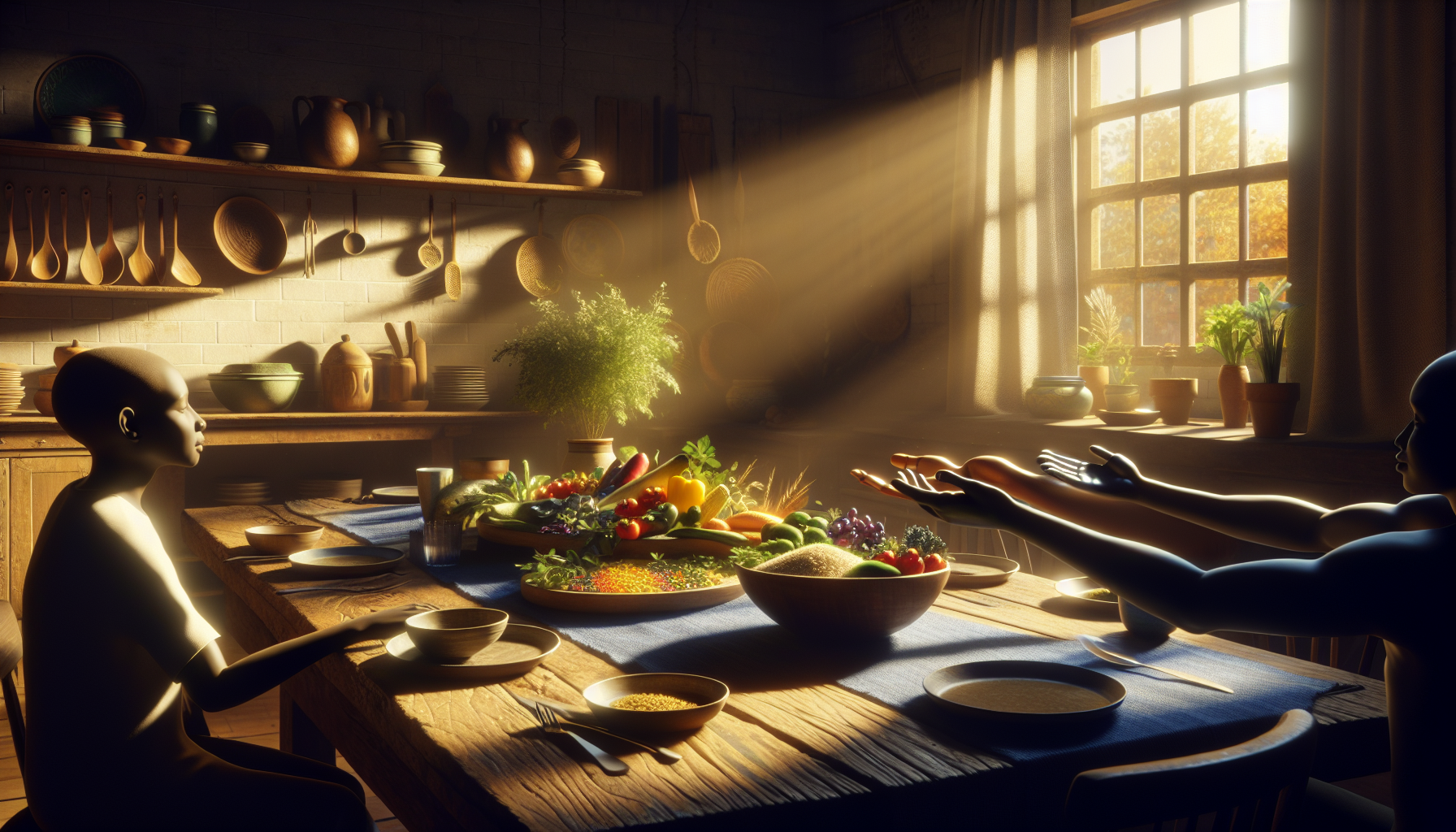
Imagine blowing out the candles on your 100th birthday cake—not in a hospital, but at your own kitchen table, surrounded by friends and laughter. What if this vision weren’t an anomaly, but a natural conclusion to a vibrant, active life? The idea is tantalizing. It’s also the reality in small, celebrated pockets of our world: the famous Blue Zones. These places, scattered from the Mediterranean to the Pacific, have cracked the code for aging well. How Blue Zones teach us the secret to longevity isn’t just a matter of genetics or luck. It’s a cultural, environmental, and lifestyle script—one that holds valuable clues for us all.
In a world obsessed with anti-aging creams, cutting-edge supplements, and biohacks, the real magic lies where old ways endure. The Blue Zones challenge our perceptions of what it means to age, not as a battle against decline, but as a celebration of a life well-lived—well into our ninth and even tenth decades. Through the lens of Blue Zones, we don’t just ask how people live longer, but how they live better, richer, and deeper. Welcome to an exploration that might just help you rewrite your own longevity story.
Core Concepts: What Are Blue Zones and Why Do They Matter?
Before we can emulate the secrets, we need to understand the stage. Blue Zones is a term popularized by National Geographic fellow and explorer Dan Buettner, who, alongside a team of scientists, demographers, and anthropologists, mapped the world’s regions with the highest concentrations of centenarians. What emerged was a mosaic of cultures that, despite vast separation by geography, shared strikingly similar habits leading to extraordinary longevity.
The five Blue Zones are:
- Okinawa, Japan – Known for its vibrant social life and plant-based staples.
- Sardinia, Italy – Mountain villages where shepherds and farmers outnumber city dwellers.
- Loma Linda, California – A tight-knit Seventh-day Adventist community with a unique health ethic.
- Nicoya Peninsula, Costa Rica – Sun-drenched and home to resilient elders with purposeful daily rituals.
- Ikaria, Greece – An island where siestas, Mediterranean diets, and strong family bonds reign.
So what exactly binds these disparate places? Certainly not their landscapes or languages. Instead, the common thread is a multidimensional approach to daily life—one that weaves together purpose, community, natural movement, and a mindful approach to food. Together, these elements create a powerful ecosystem for health, turning the quest for longevity from a solo marathon into a communal celebration.
As we peel back the layers, it becomes clear: How Blue Zones teach us the secret to longevity is not about outsmarting biology, but about nourishing it in simple, profound ways.
7 Key Strategies: Blue Zone Habits for a Long, Vibrant Life
1. Move Naturally: Exercise Without the Gym
The world’s longest-lived people aren’t logging hours on the treadmill or grinding through high-intensity intervals. Instead, movement is seamlessly woven into daily life. Sardinian shepherds climb steep hills. Okinawans tend their gardens. Ikarians weave through hillside paths to visit friends. This is “natural movement”: regular, low-intensity physical activity that doesn’t feel like exercise, but simply a way of living.
Contrast this with how most of us move—sporadic bursts separated by long stretches of sitting. Blue Zone residents engage their bodies throughout the day, racking up hours of movement effortlessly. They might not own fitness trackers, but their steps—moving wood, walking to neighbors, kneading bread—add up to a cocktail of micro-workouts, sustaining muscle, joint health, and heart function for decades.
Replicating this doesn’t mean selling your car and moving to a mountain village. But it does invite us to re-engineer our environments: take stairs, walk to errands, garden, or stand while working. The “move naturally” principle made longevity possible before wellness apps or boutique gyms existed.
2. Purpose: The Power of Knowing Your ‘Why’
Inside a Blue Zone, the sense of purpose is palpable. Okinawans call it “Ikigai”—the reason to get up in the morning. Costa Ricans of Nicoya are guided by “plan de vida.” Each phrase captures the same essential truth: a reason for being is not a luxury but a pillar of health. Research shows that people who feel their lives have meaning live up to seven years longer than those adrift.
Purpose isn’t a grand philosophical exercise; it’s practical. It could be tending to grandchildren, mastering a recipe, or contributing to the community. Nicoyan elders often farm or mentor, weaving a sense of contribution into each day. This doesn’t just feed the soul—it provides resilience, keeping minds sharp and staving off depression or cognitive decline.
To apply this, start by asking: What activities bring you joy? Who depends on you? Sometimes finding your ‘why’ means helping others find theirs.
3. Stress Management: Downshifting and the Art of Reset
Even in paradise, daily stress isn’t absent. The distinction in Blue Zones is how people decompress. Each community has rituals designed to “downshift”—to shed the day’s tension and refocus. From Sardinian happy hours to Ikarian afternoon naps and Adventist prayer, these are intentional pauses, woven into the fabric of daily life.
Chronic stress, we now know, ignites inflammation—a culprit behind heart disease, cancer, and cognitive decline. Resetting the body’s stress response is powerful medicine.
Modern life rarely encourages stillness. Yet the wisdom of Blue Zones suggests that such pauses—meditation, prayer, a tea break, or a quiet meal with loved ones—are not indulgences. They are essentials.
4. 80% Rule: The Secret to Mindful Eating
“Hara hachi bu”—an Okinawan phrase—reminds people to stop eating when they’re 80% full. It’s simple, but profound: A subtle check against caloric overload. Across Blue Zones, meals are celebrated, but portions are modest, and eating is rarely rushed. Plates overflow with vegetables, legumes, and whole grains, while meats and sweets are almost ceremonial—a rare treat, not a daily expectation.
The 80% rule is an antidote to mindless snacking and overeating, which undermine metabolism and burden the body’s systems over years. Instead of restrictive diets, Blue Zoners practice “conscious abundance”—enjoying nourishing foods without excess.
Try eating slowly, using smaller plates, or pausing mid-meal; rediscover the cues of satiety that our fast-paced culture often buries.
5. Plant-Slant: The Longevity Power of Plant-Based Diets
Walk into any Blue Zone kitchen and you’ll find color: tomatoes, greens, beans, nuts, fresh herbs. Without exception, these communities emphasize plant-based fare. While not strictly vegetarian, meat is a rarity—usually reserved for feasts or celebrations. The daily table tilts toward complex carbohydrates, fiber, and antioxidants.
Loma Linda’s Adventists lean into whole foods—oats, avocados, nuts—while Ikarians and Sardinians blend wild greens, legumes, and olive oil. Notably, many Blue Zoners cultivate significant portions of their own food: gardens aren’t hobbies, but sources of sustenance and pride.
Large-scale studies echo these benefits: diets rich in plants reduce the risk of heart disease, diabetes, and certain cancers (Harvard T.H. Chan School of Public Health). For most of us, this means making vegetables and beans the star, not the side, and experimenting with seasonings and textures to make plant-based meals delicious and satisfying.
6. Belonging: Faith, Family, and Tribal Connection
Humans are wired for connection. In Blue Zones, this truth shapes everyday experience. Nearly all centenarians belong to a faith-based community, attend regular gatherings, or invest in intergenerational family networks. Loneliness—what some call the “epidemic of the West”—is rare.
In Loma Linda, church groups set the rhythm of communal life. In Sardinia and Ikaria, families dine together, often spanning multiple generations. Okinawan elders gather in “moai”—small, lifelong social circles relied on for emotional and practical support.
This sense of belonging is more than emotional comfort; it has measurable health outcomes. Studies show that social isolation raises mortality risk as much as smoking or obesity (CDC). The lesson: Cultivate your tribe, invest in relationships, and prioritize regular connection—even small rituals like shared meals or neighborhood walks.
7. The Right Tribe: Cultural Support for Healthy Choices
Culture is the invisible hand shaping daily choices. In Blue Zones, it nudges people toward healthy behaviors, not away from them. It’s easier to eat vegetables when everyone around you does; easier to walk when streets are built for people, not just cars.
The “right tribe” amplifies positive habits through shared norms. Adventist communities avoid smoking and alcohol. Sardinian villages celebrate the village elder, not youth. Compared to environments that unconsciously normalize poor habits, these settings reinforce the collective pursuit of wellness.
We may not all live in a longevity hotspot, but we can curate our social circles, fostering friendships that reinforce—rather than undermine—our healthiest intentions.
Practical Applications / Real-World Examples
So how do these time-tested habits of Blue Zone dwellers translate to the modern world? The answer lies in adaptation, not imitation. You don’t have to relocate to Ikaria or master Costa Rican Spanish to borrow their best ideas.
Consider the experience of Albert, a 56-year-old office worker in Seattle. Inspired by Blue Zone principles, he replaced daily commutes with brisk morning walks and started a backyard garden, relishing homegrown tomatoes months later. Not only did his energy improve, but family dinners became longer and richer—phones off, laughter on.
Or look to Lisa, a busy mother in London. After reading about the importance of “belonging,” she revived a supper club with neighbors. Friendship blossomed, stress melted, and even her children began looking forward to “Sunday Andiamo!”—a once-weekly homemade feast sourced from local farms.
Communities themselves are taking note. Loma Linda’s health-focused initiatives inspired wellness programs in cities like Minneapolis and Fort Worth, while Blue Zones Project, co-founded by Dan Buettner, partners with schools, corporations, and municipalities to tweak physical spaces, food policies, and walking infrastructure—all proven to nudge entire populations toward better habits. Instead of relying on personal discipline, environments are engineered to make the healthiest choice the default.
The lesson? Think creatively. A walking meeting, weekly communal meal, or scheduled pause in your day can tip the scales. The heart of Blue Zone living isn’t about perfection—it’s about ritual, rhythm, and weaving healthier choices into the tapestry of ordinary life.
Common Mistakes to Avoid
In the pursuit of longevity, Western culture often embraces fads that miss the mark. Here are pitfalls to steer clear of when putting Blue Zone wisdom into practice:
- Overcomplicating Simplicity:Blue Zone habits thrive on consistency, not perfection. Overengineering routines—counting every calorie, tracking every step—can lead to burnout. Instead, focus on steady, sustainable changes.
- Ignoring Social Context:Attempting a lifestyle overhaul in isolation rarely works. The healthiest Blue Zone residents rely on collective momentum—shared meals, group walks, faith gatherings. Don’t underestimate the power of a support system.
- All-or-Nothing Thinking:Adopting a Blue Zone lifestyle doesn’t require total reinvention. Small changes, compounded over years, yield dramatic results—walking 2,000 more steps a day, swapping desserts for fruits, or adding one more serving of vegetables.
- Relying Only on Diet or Exercise:While food and movement are important, underestimating purpose, social connection, and stress management leaves gaps. Transformation happens when all ingredients are present.
- Chasing Quick Fixes:Supplements and trends promise the fountain of youth, but Blue Zones teach us that longevity roots itself in daily rituals, not magic bullets. Habits built slowly, and communities built intentionally, make the difference.
Frequently Asked Questions (FAQ)
What diet do Blue Zone residents follow, and is it practical outside their regions?
Blue Zone diets are predominantly plant-based, rich in vegetables, beans, whole grains, and nuts, with minimal processed foods. While their exact produce varies, the unifying themes are fiber, diversity, and freshness. For most of us, buying seasonal produce, limiting meat, and cooking more at home bridges much of the gap—even if you live far from a Mediterranean coast.
Is genetics the main reason people in Blue Zones live longer?
Surprisingly, no. While genetics play a role, studies show that lifestyle factors contribute up to 80% of life expectancy. In fact, when residents emigrate and adopt Western habits, their longevity advantage diminishes. How Blue Zones teach us the secret to longevity isn’t about luck in the genetic lottery—it’s about conscious choices in daily life.
Can urban dwellers truly benefit from Blue Zone principles?
Absolutely. Urban environments present challenges—fast food, solo living, sedentary jobs—but incremental change is possible. Walking instead of driving, joining interest groups, tending small balcony gardens, or holding regular digital-free dinners fosters longevity-supporting habits, regardless of locale.
Are there any downsides or risks to adopting Blue Zone habits?
The main “risk” is unrealistic expectations or sudden, drastic changes that aren’t sustainable. Also, diet changes should respect individual health needs—consult a doctor if you have specific allergies or conditions. Otherwise, these habits universally promote well-being and are adaptable to most lifestyles.
How quickly can one expect results from applying Blue Zone habits?
While physical transformations—such as weight loss or lower blood pressure—can appear within weeks, the real magic occurs over years. Lower rates of chronic disease, sharper cognitive function, and stronger relationships are slow-burn benefits that reward consistency and community connection.
Conclusion: Writing Your Own Longevity Script
If there is one truth Blue Zones illuminate, it’s that aging well isn’t a solo race—it’s a collective endeavor, shaped by how we move, what we eat, who we love, and why we wake up. The secret to longevity, as revealed by these extraordinary communities, is neither esoteric nor exclusive. It’s accessible, rooted in ancient wisdom, and available to anyone willing to look beyond quick fixes toward lifelong rituals.
You don’t have to uproot your life or chase every health headline. Start with a meal—shared, colorful, unrushed. Choose a stroll with a friend over another hour at your desk. Dare to ask yourself, “What makes me feel needed?” And when in doubt, remember: Longevity is less a destination than a way of traveling. Blue Zones offer a roadmap. The journey, ultimately, is yours to chart.
For further reading and inspiration, explore the insightful work of Dan Buettner and organizations like the Blue Zones Project, which continue to bring these lessons to communities worldwide.