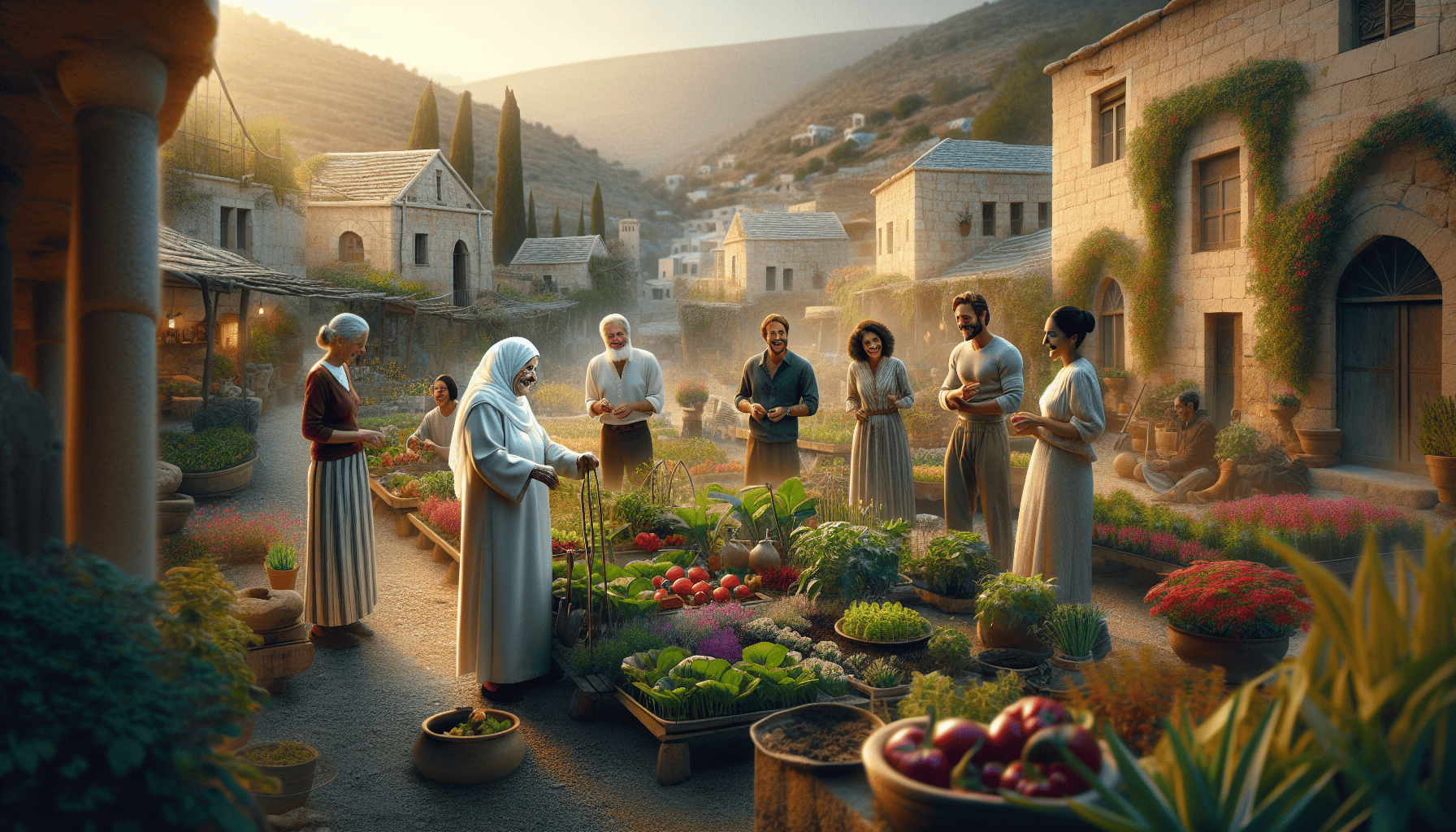
Introduction: The Quiet Power of Daily Longevity Rituals
What if I told you that the secret to a long, healthy life isn’t hidden in cutting-edge science labs or billionaire-funded biohacks—but woven into the fabric of ordinary days in villages, islands, and tight-knit communities around the globe? Across the world, the daily longevity rituals from the world’s longest-living people aren’t about chasing youth with exotic supplements or radical treatments. Instead, they’re found in simple, evidence-backed actions—many just a breath away from where you sit now.
From the rocky coastlines of Sardinia to the green hills of Okinawa and the lush Nicoya Peninsula, people in so-called “Blue Zones” live not only longer, but better. Their lifespans routinely stretch into the 90s and beyond. Their minds remain sharp, their bodies spry. And what truly shocks the observer: their habits rarely involve anything you can’t start this week.
In this cornerstone guide, we’ll peel back the layers on the core principles that give these daily rituals their remarkable power. We’ll also dig into actionable strategies, mistakes to sidestep, and the science that separates fleeting fads from lasting truths. Welcome to the journey—one that could transform how you live, one day at a time.
Core Concepts: What Daily Longevity Rituals Teach Us About Thriving and Surviving
“Longevity” isn’t just about racking up birthdays. It’s about those years being vibrant—waking up each morning feeling whole, with energy, purpose, and connection. At the heart of the daily longevity rituals from the world’s longest-living people are a handful of core concepts that offer a roadmap toward that goal.
First, longevity is deeply influenced by the interplay between genetics, environment, and lifestyle. While our genes set the stage, researchers estimate that lifestyle choices account for as much as 70-80% of how we actually age. That’s a massive lever—a promise that daily action matters.
Second, rituals are more than just habits. They’re anchored, intentional practices—woven into the rhythm of daily life. In the world’s Blue Zones, these range from the food on the table to the way a community gathers, moves, rests, or even finds meaning in hardship.
Third, there is no one-size-fits-all. The diversity of daily longevity rituals across cultures points to flexible yet powerful patterns: balanced nutrition, natural movement, strong social ties, a sense of purpose, and strategies to manage stress. These are the pillars that emerge time and again in the research, with hundreds of peer-reviewed studies now echoing their value.
Finally, consistency is everything. The world’s longest-living people don’t rely on willpower or constant self-optimization. Instead, their environments are built to make healthy rituals frictionless, automatic, and even joyful.
With these core concepts as our compass, let’s delve into the practical strategies that make daily longevity rituals stick—and keep on working for decades.
7 Key Strategies: How to Integrate Daily Longevity Rituals from the World’s Longest-Living People
1. Eat Mostly Plants—And Do It Mindfully
Walk into a home in Okinawa or Ikaria, and you’ll notice something: meat is a garnish, not the main event. The lion’s share of calories comes from beans, whole grains, heaps of vegetables, and fruits. Beans—especially black, fava, and lentils—are the unsung heroes, eaten almost daily in all Blue Zones.
But it’s not just about what you eat. How you eat matters, too. Meals are unhurried affairs, eaten in company whenever possible. In Okinawa, the phrase “hara hachi bu” is recited as a mealtime mantra: Stop eating when you’re 80% full. This may sound like old wisdom, but science backs it up—caloric moderation without deprivation triggers beneficial metabolic responses and supports healthy aging.
Want to take action? Try adding a bean-based salad to your lunch, slow your eating pace, and pause halfway through each meal to check your satiety. See how you feel—you may be surprised how little you truly need.
2. Move Naturally and Often
If you picture daily exercise as a gym, think again. The world’s longest-living people rarely “work out” in any conventional sense. Their movement is built into life itself. Sardinian shepherds trek up and down hills. Nikoyan villagers tend crops, fetch water, walk to visit neighbors. These small, consistent bursts of activity add up to hours of gentle movement every day.
Crucially, movement happens in community—and with purpose. People garden with friends, clean together, walk or bike rather than drive for errands. There’s mounting evidence that this “incidental activity” is even more beneficial than intense but isolated bouts of exercise.
Start by finding a reason to walk daily—a morning stroll, evening walk-and-talk, or a standing desk for work. If you have a garden, tend it. If not, consider a house workout—laundry and cleaning count.
3. Cultivate Social Connections and Belonging
Loneliness is as damaging to health as smoking 15 cigarettes a day, according to a CDC report. But in Blue Zones, social isolation is virtually unheard of. People belong—to families, faith groups, tribes of lifelong friends.
These networks provide more than just company. They offer support in hard times, accountability for healthy choices, and a powerful antidote to chronic stress. In places like Sardinia, daily rituals often revolve around communal meals, festivals, or informal gatherings. Elders aren’t sidelined—they’re revered.
Modern life can feel fragmented. But creating daily contact—even a call, text, or brief meetup—can build powerful social scaffolding over time. Who’s in your “tribe”? How can you nurture those relationships today?
4. Prioritize Rest and Sleep—Nightly and seasonally
The centenarians of Ikaria, Greece are famous for their afternoon naps. In Okinawa, early morning is sacred for meditation or quiet reflection. The lesson: rest is not an afterthought, but a daily anchor.
All Blue Zones emphasize sleep—aiming for 7-8 hours. But they also respect natural rhythms, honoring seasonal changes, natural light patterns, and the “pause” after lunch in hot months. This synchronization with natural cycles helps regulate hormones, maintain metabolic health, and reduce inflammation.
Could you add a micro-break, short nap, or digital-free wind-down each day? Small shifts can rewire how your body and mind recover—one of the most underrated daily longevity rituals.
5. Find and Fuel Your Sense of Purpose (“Ikigai” and Beyond)
Why do you get up in the morning? In Okinawa, this is called “ikigai.” For Nicoyans, it’s “plan de vida”—plan for life. In both places, having a clear sense of purpose is strongly correlated with longevity.
Purpose may come from work, caring for family, a hobby, or volunteering. What matters is that it gives life structure, motivation, and meaning. Studies suggest that people with a defined reason for living experience lower rates of Alzheimer’s, heart disease, and depression.
Take a moment to articulate your own “why.” Write it down. Make it visible. And look for ways, even small ones, to feed that sense of purpose daily—whether by checking in on someone who needs you or making something with your hands.
6. Practice Stress Reduction and Emotional Resilience
Stress is universal. But how people respond to it varies wildly—and may be as important for lifespan as any other factor. The world’s longest-living people don’t avoid hardship, but they buffer it with daily rituals: prayer, gratitude, nature walks, communal laughter.
Ikarians start every day with a moment of silence or prayer. Adventists in Loma Linda observe a weekly Sabbath—24 hours of unplugging, deep rest, and connecting to something larger than themselves. In Okinawa, gratitude is woven into conversation, especially before meals.
How do you punctuate your day with decompression? This might mean five minutes of deep breathing, a gratitude journal, or regular immersion in nature. What’s certain: the ritual matters more than the technique.
7. Make Your Environment Work for You—Not Against You
Perhaps the most radical lesson from the daily longevity rituals of long-lived cultures: environments are engineered for healthy defaults. Produce is easy to access, socializing is built in, and opportunities for movement abound. Houses are filled with reminders—photos, heirlooms, or handwritten mottos—of what matters most.
Compare that to modern settings, which often push us toward overeating, isolation, and chronic stress unless we actively resist. But you can nudge your own surroundings toward longevity. Place fruit on the counter. Keep comfortable shoes by the door as a step prompt. Curate your media feeds to include friends or influences who reinforce healthy choices.
Even small environmental tweaks, repeated daily, accumulate into years of better living.
Practical Applications: Real-World Examples of Daily Longevity Rituals
What does all this look like off the page, in the rhythm of everyday life? Let’s zoom in on practical, accessible examples—many of which can be started with little extra time or money.
Consider “Moai” in Okinawa—a group of five friends who commit to supporting each other for life. Every morning, they check in, share news, offer help. This daily ritual cements emotional security and provides a buffer against isolation or financial stress.
In Sardinia, elderly men gather in the square for a morning espresso and chess. It’s not about the caffeine or the game, but the ritual of community: laughter, debate, shared stories. This daily meeting punctuates life with social connection and mental stimulation.
In Loma Linda, weekends are sacred. The Seventh-day Adventist population dedicates every Saturday to rest, spiritual renewal, and family time—no distractions, shopping, or chores. This “sanctuary in time” is a core daily longevity ritual (even if observed weekly) that science links to lower markers of stress and better cardiovascular health.
Take Rosa, age 98 and living in a Nicoyan village. Each morning, she sweeps her porch, walks to her daughter’s house, plays with the great-grandchildren, and cooks a lunch based on beans, squash, and corn. She ends the afternoon with a nap, surrounded by laughter. Not a single moment is extraordinary; the ritual is in the repetition.
What unites these stories is their ordinariness—and their transformative power when repeated, day after day, for a lifetime.
Common Mistakes to Avoid on Your Longevity Journey
You don’t need to move to a Blue Zone to benefit from these rituals. Still, there are a few common pitfalls to watch for as you bring new habits into your routine.
1. The “All-or-Nothing” Trap
Trying to overhaul your entire lifestyle overnight almost always backfires. Long-lived cultures make tiny changes, one at a time. Pick a single ritual and layer it into your day before building more.
2. Neglecting Social Context
It’s tempting to focus on individual willpower, but environments matter tremendously. Don’t try to “white-knuckle” new habits alone. Instead, try to engage family or friends—or mimic social cues that support your goals.
3. Forgetting Joy and Flexibility
Strict, joyless routines are rarely sustainable. The world’s longest-living people savor life—they indulge occasionally, laugh often, and adapt habits to their own needs. If a ritual feels like a chore, tweak it until it feels natural.
4. Overcomplicating Nutrition
Fancy supplements, complex meal plans, and expensive superfoods are not required. The Blue Zone approach is simple: mostly plants, small meals, moderate portions, minimal processed food.
5. Ignoring Sleep and Recovery
Even a perfect diet and exercise plan will stumble if you sacrifice sleep or never pause to rest. Prioritize both as non-negotiable rituals.
When in doubt, remember: consistency—however small—beats intensity every time.
Frequently Asked Questions About Daily Longevity Rituals from the World’s Longest-Living People
1. Can I really improve longevity by making small daily changes?
Absolutely. Research shows that even modest shifts—adding daily walks, eating one more serving of beans, or sleeping well—compound over years for profound benefits. The world’s longest-living people rarely do anything extreme; instead, they make small, positive choices every day.
2. Do I need to live in a Blue Zone to see these benefits?
No. While certain environments make healthy living easier, the core rituals—moving naturally, eating mindfully, socializing, sleeping well—are universal. With a little creativity, you can adapt these habits wherever you are.
3. What’s the single most important daily habit for longevity?
It’s hard to pick one, but maintaining strong social connections consistently ranks at the top. Loneliness is linked to higher mortality rates, while daily interactions—however small—can buffer stress and add years to your life.
4. Are supplements or special foods necessary for longevity?
Generally, no. The diets of the world’s longest-living people rely on affordable, unprocessed, plant-based foods and modest portions. Supplements are only essential if you have a specific deficiency. Focus first on food and lifestyle.
5. How do I help my family or friends adopt these rituals too?
Lead by example. Invite others into activities with you—cook together, walk after meals, start a gratitude practice. Celebrate even small changes, and patiently share stories from long-lived cultures to spark curiosity, not pressure.
Conclusion: Building a Legacy, One Ordinary Day at a Time
The daily longevity rituals from the world’s longest-living people aren’t a prescription for perfection. They’re a call to return to simple, meaningful patterns—health built not in sudden leaps, but in the micro-choices that accumulate over decades.
You don’t need to move to an island or abandon modern life. You only need to notice: how you eat, move, rest, love, and reflect. Choose one small act to repeat, and watch its ripple effect over months and years.
These rituals are not just about living longer—they’re about living bolder, deeper, and more connected. The next decade of your life is built on the next day. Wherever you start, start today. It’s the ordinary, after all, that is truly extraordinary.
1 thought on “Unlocking Daily Longevity Rituals from the World’s Longest-Living People: A Science-Backend Guide to Living Better, Longer(2025)”